The Return of The Rave
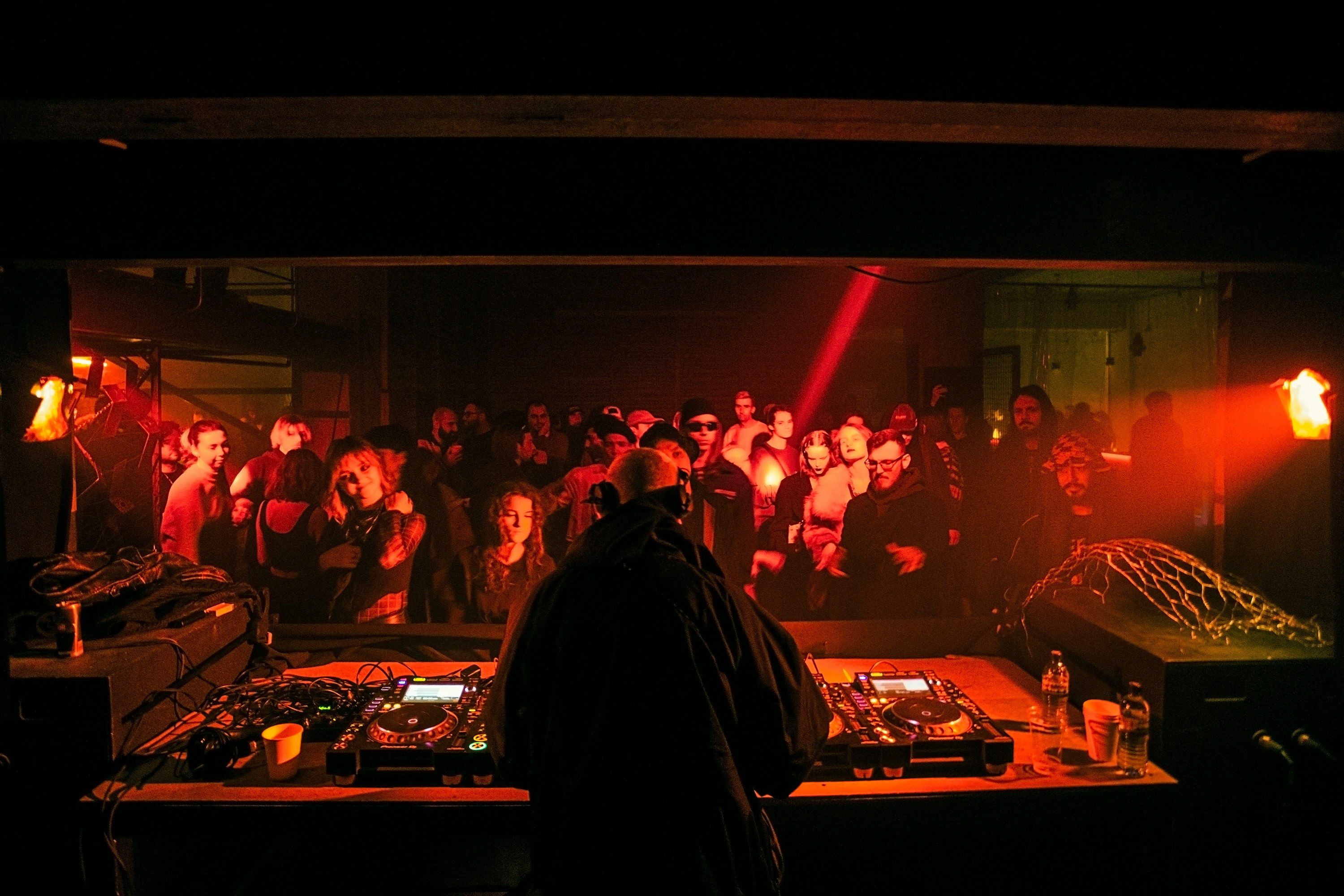
“The UK invented rave culture.”
Somewhere between the strobe lights and the opening bars of Natural Blues, Moby paused to declare: “The UK invented rave culture.”
Standing on Brighton Beach, I found myself looking across the Crowd as Moby’s words hung in the evening air, the legacy of that culture was very visible. Stood next to me were the veterans of Britain’s dance music scene: middle-aged men, with a pint in hand, reliving the soundtrack of their youth.
However, what struck me was the sheer number of Gen Zers in the crowd, myself included. So, when Moby stated that the UK birthed rave culture, his comment felt less like a nostalgic tribute and more like a reminder that the culture he was describing is far from over. If anything, we are witnessing its renaissance.
This resurgence of rave culture is undeniable, from the growing popularity of warehouse events to the expansion of dance music stages at major UK festivals. Perhaps a cultural moment defined by excessive wellness trends, self-surveillance and carefully curated online personalities, this is exactly what we need.
The rave renaissance of today has roots that stretch far beyond Brighton Beach. To begin to understand the culture’s evolution, we have to trace its lineage all the way across the Atlantic Ocean and pay our respects to the Godfather of House music, Frankie Knuckles.
During his residency at the Warehouse nightclub in Chicago in 1977, Knuckles did something very special; he fused disco, soul, funk and emerging electronic elements to create a distinct sound, which was christened house music.
His performances attracted a crowd that oozed with diversity, all united by the same desire: a euphoric escape from reality, losing themselves in the emphasised percussion and pulsing basslines. Meanwhile, Ibiza was cultivating its own musical language through Balearic beats, an eclectic blend of disco, soul and Latin influences.
The Ibiza club scene became pilgrimage sites for British Clubbers and UK DJs experienced this and brough it home, creating the blueprint for modern rave culture.
Inspired by these sounds and scenes, Britain’s own rave culture began to emerge in the mid-1980s, with the explosion of acid house soon turning it into a cultural force.
Raves spilled into muggy, sweat-soaked warehouses, fields and other secret locations. They did not exist without controversy; they were heavily associated with drug use and gatherings where the music featured “repetitive beats” were criminalised in 1994.
Yet, it survived. At its core, rave culture has always been about liberation, radical acceptance and collective euphoria, and that is precisely why its return feels vital.
The evidence of rave culture’s resurgence is increasingly difficult to ignore. Across the country, young people are returning to the warehouses and meditating to drum’n’bass.
A friend of mine recently attended one of these organised club nights at The Warehouse in Leeds and saw a German DJ called Holy Priest, she described as being utterly outrageous but irresistibly enjoyable in its sensory excess. Her experience encapsulates the appeal of rave culture: it is deliberately excessive. It is loud, physical and unpredictable, demanding participation rather than passive consumption.
Additionally, this resurgence isn’t just confined to the underground. Dance music is increasingly occupying space within the mainstream festival circuit. This year Reading and Leeds festival have announced their brand-new addition to their stages, ‘The Warehouse.’ An enclosed space designed to mimic the atmosphere of an underground rave, here audiences will experience that euphoric collectivity via the medium of dance music and drum’n’bass.
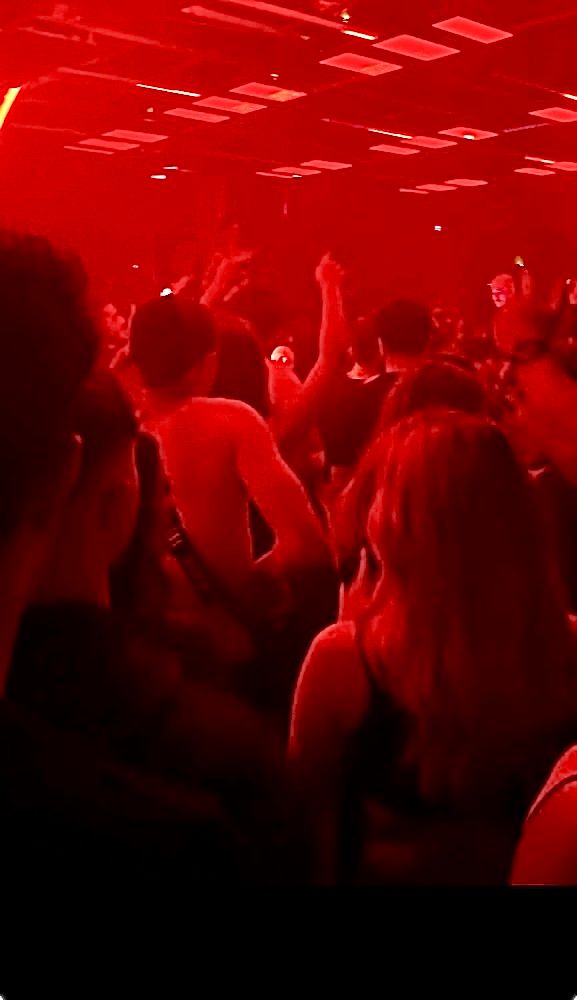
With viewing platforms located behind the DJ decks, Strobe lights and Skepta, I’m sure it will be very successful. I’ll certainly be there! Also, we mustn’t neglect Boomtown, a festival that has grown exponentially, and was originally created to recreate the atmosphere from free party scenes in the 90s. Boomtown’s soundscape is defined by hypnotic electronic rhythms and driving baselines, creating the almost trance-like atmosphere synonymous within rave culture.
Perhaps what makes this resurgence so compelling is precisely how incompatible it feels with the culture young people are increasingly encouraged to inhabit online.
Self-surveillance is promoted in excess; we are conditioned to monitor every second of our lives and discipline every inch of our routine. Trends such as “75 Hard”, “clean girl” or being “Type A” keep me awake at night: the constant feeling you will never reach your full potential and will not be content until you’ve eaten 160g of protein, completed 3 hours of Pilates by 6am, and read 5000 pages.
The absolute worse propaganda I’ve seen on my TikTok FYP is “Lobotomy Chic”, which is a celebration of mental disengagement and apathy. Rave culture is the complete antithesis of this. It is sweaty rather than polished, loud rather than restrained and collective rather than individualistic. It is delightfully exhausting.
This argument is certainly not romanticising the drug use traditionally associated with rave culture; you don’t need a Class A to understand the appeal of the dance floor. Sometimes rebellion doesn’t have to look particularly radical, maybe it means staying at a club till it closes, getting a kebab and sleeping in your makeup.
In a culture that increasingly asks young people to optimise every aspect of themselves, there is something liberating about doing something simply because it feels good.
Rave culture gives us permission to be excessive, imperfect, entirely present and listen to some absolutely brilliant music. Another thing that Moby said to the crowd stood out to me: “feel what you feel.” Where better to do that then at a club?